
Embracing Global Education: The IB Mission and Progressive Learning
- Adnan Naseer
- Tutorial
- July 17, 2024
Table of Contents
Embracing Global Education: The IB Mission and Progressive Learning
The International Baccalaureate (IB) mission statement draws inspiration from John Dewey’s progressive education ideals, focusing on developing thoughtful, moral, and well-rounded individuals who can think critically and solve problems. The IB aims to cultivate curious, knowledgeable, compassionate, and driven young people who respect and understand different cultures, seeking to improve the world through education.
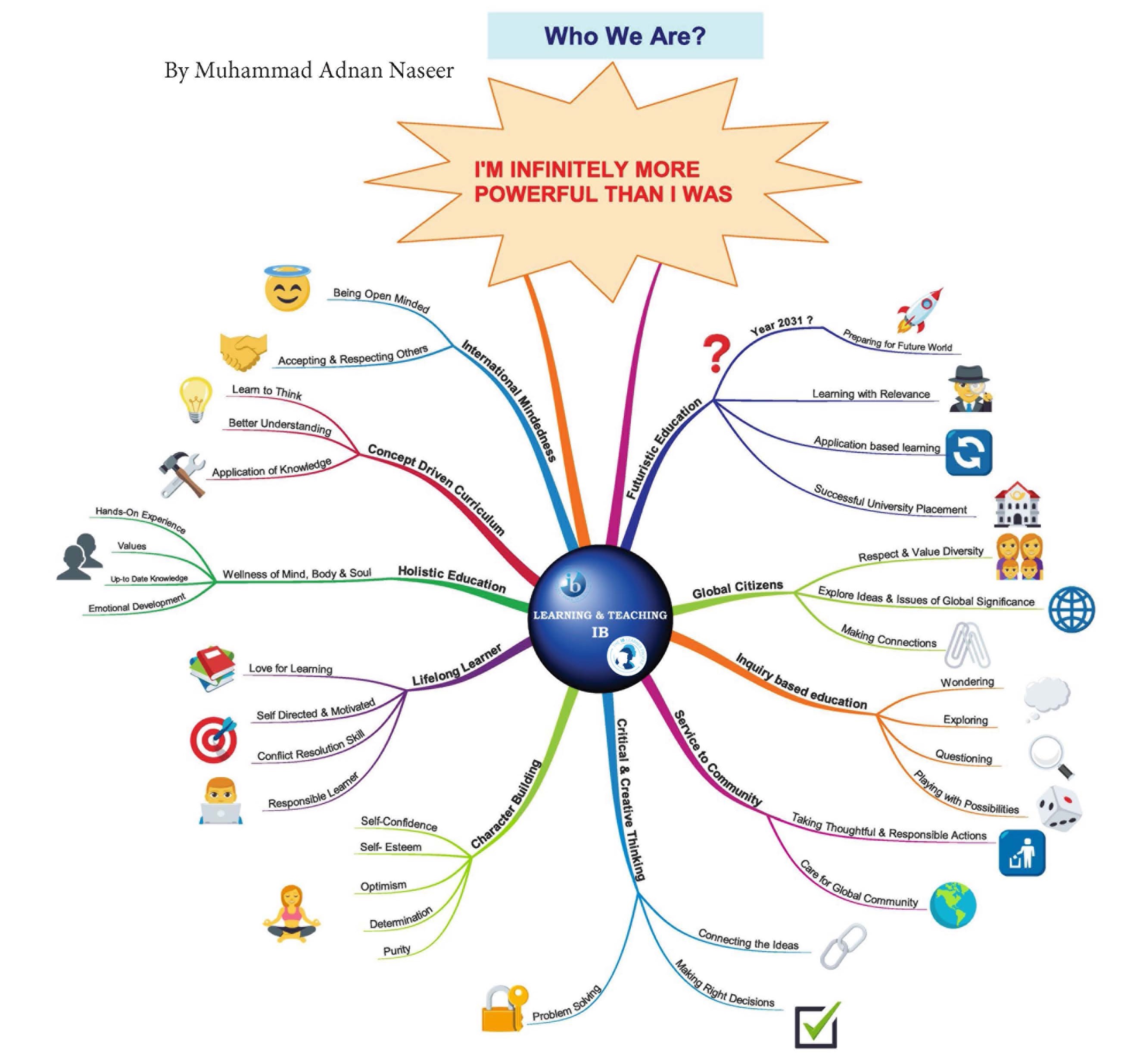
The interconnected goals of IB teaching and learning.
Key Pillars of the IB Mission
The IB mission is grounded in several key principles that align closely with progressive education:
-
Learning Through Inquiry: The IB values inquiry-based learning, where students are encouraged to investigate, challenge, and make personal connections with their learning. This child-centered approach is based on students’ interests and questions, fostering a love of learning and making education more relevant and engaging.
Example: Students in the Primary Years Programme (PYP) participate in inquiry units that integrate multiple disciplines around a central theme, allowing them to explore topics of personal interest and recognize the connections between different subject areas.
-
International-Mindedness and Intercultural Understanding: The IB promotes an appreciation for diverse perspectives and an international mindset. This inclusivity ensures that education encompasses both the acquisition of knowledge and the understanding and appreciation of various cultures and viewpoints.
Example: By making second language learning mandatory and emphasizing global contexts in inquiry units, students are encouraged to consider and value different perspectives, fostering empathy and a sense of global citizenship.
-
Beyond the Disciplines: The Creativity, Activity, Service (CAS) component of the IB Diploma Programme encourages students to engage in community service, physical activity, and creative thinking. This holistic approach extends beyond traditional academic boundaries, reflecting the progressive education philosophy’s emphasis on experiential learning and social responsibility.
Example: Students might work on a project addressing a local environmental issue, integrating their knowledge of science, social studies, and ethics to develop and implement a strategy that positively impacts their community.
The Progressive Education Connection
The IB mission aligns with the goals of progressive education, emphasizing experiential learning, critical thinking, and the comprehensive development of students. This approach encourages students to become well-rounded individuals who contribute positively to their communities and the wider world.
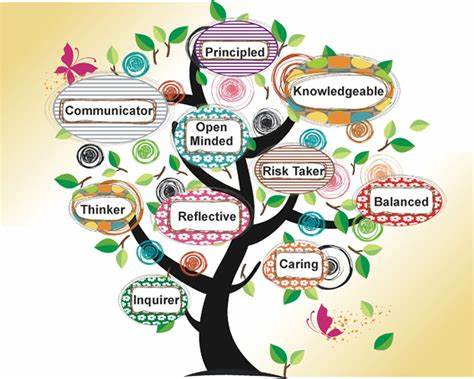
The IB Learner Profile emphasizes being principled, knowledgeable, and reflective.
Philosophy of Education
My educational philosophy is rooted in helping students become knowledgeable, curious, and compassionate individuals. Emphasizing critical thinking, intercultural awareness, and the ability to interact with diverse backgrounds, I aim to cultivate internationally aware individuals who uphold the values of ethical responsibility and lifelong learning.
Integrating IB Programs: PYP, MYP, DP, and CP
- Primary Years Programme (PYP): For children aged 3-12, promoting inquiry-based and student-centered education, aiming to turn young students into compassionate, lifelong learners.
- Middle Years Programme (MYP): Builds on the PYP by encouraging practical connections between studies and the real world, preparing students for the rigorous academic requirements of the DP/CP.
- Diploma Programme (DP) and Career-related Programme (CP): Culminate the IB journey by enhancing students’ academic expertise and life skills, encouraging them to excel in their studies and personal growth, and preparing them for university and beyond.
Final Thoughts
The IB mission and philosophy promote a progressive approach to education by focusing on developing the whole person through an inclusive, engaging pedagogy that transcends conventional academic disciplines. This approach prepares students to become knowledgeable, open-minded, and principled individuals ready to make a positive impact on the world.